
First State Orthopaedics is an OrthoDelaware Company


In the News
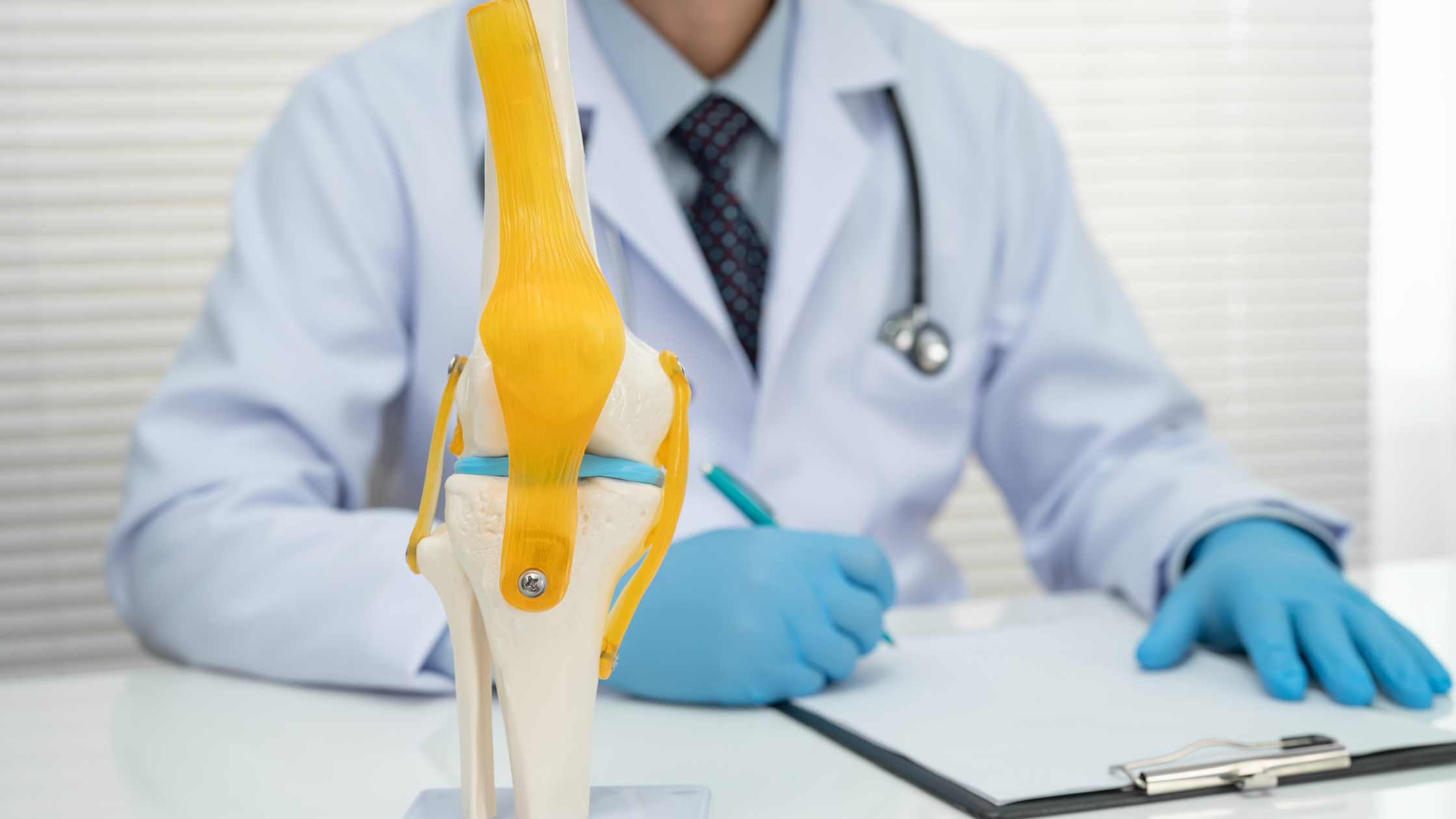
When Should You See an Orthopedic Doctor for Joint Pain?
Joint pain is one of the most common health complaints among adults of all ages. Whether it develops gradually over time or appears suddenly after an injury, persistent discomfort in the joints can interfere with daily life, mobility, sleep, and overall well-being. While occasional aches and pains may improve with rest or home care, some symptoms may indicate a more serious condition that requires professional evaluation.
Knowing when to seek care from an orthopedic doctor can help patients receive the right diagnosis and treatment before the problem worsens.
What Does an Orthopedic Doctor Treat?
An orthopedic doctor specializes in diagnosing and treating conditions that affect the musculoskeletal system, including:
- Bones
- Joints
- Muscles
- Ligaments
- Tendons
- Cartilage
Orthopedic specialists commonly treat pain and injuries involving the knees, hips, shoulders, elbows, wrists, ankles, and spine. They can also help manage arthritis, sports injuries, repetitive stress conditions, and degenerative joint disorders.
Common Causes of Joint Pain
Joint pain can occur for many different reasons. Some of the most common causes include:
- Osteoarthritis
- Rheumatoid arthritis
- Tendonitis
- Bursitis
- Sports injuries
- Ligament tears
- Cartilage damage
- Overuse injuries
- Fractures
- Gout
- Joint infections
In some cases, joint pain may simply result from temporary inflammation or overexertion. However, chronic or worsening symptoms should not be ignored.
Signs It’s Time to See an Orthopedic Doctor
Pain That Lasts More Than a Few Weeks
Minor joint pain often improves with rest, ice, and over-the-counter medication. If symptoms continue for several weeks despite conservative care, it may be time for a professional evaluation.
Persistent pain can indicate structural damage, arthritis progression, or chronic inflammation that may worsen without treatment.
Swelling or Stiffness
Swelling around a joint may signal inflammation, fluid buildup, or injury. Morning stiffness that lasts longer than 30 minutes can also be a sign of arthritis or joint degeneration.
Patients who notice increasing stiffness, especially in the knees, hips, or hands, should consider orthopedic evaluation before mobility becomes more limited.
Difficulty Performing Daily Activities
Joint pain should not prevent normal activities such as:
- Walking
- Climbing stairs
- Lifting objects
- Exercising
- Sleeping comfortably
- Standing for extended periods
If pain is interfering with work, exercise, hobbies, or everyday movement, medical treatment may help restore function and improve quality of life.
Limited Range of Motion
Difficulty bending, straightening, or rotating a joint can indicate cartilage damage, inflammation, or mechanical problems inside the joint.
For example:
- A shoulder that cannot fully lift overhead
- A knee that locks or catches
- A hip that causes pain during walking
These symptoms may require imaging studies and specialized orthopedic care.
Joint Instability or Weakness
A joint that feels unstable, weak, or like it may “give out” should be evaluated promptly. This is especially common after ligament injuries involving the knee or ankle.
Ignoring instability may increase the risk of falls or further injury.
Pain After an Injury
Joint pain following a fall, accident, or sports injury should always be taken seriously — especially if symptoms include:
- Significant swelling
- Bruising
- Inability to bear weight
- Popping sensations
- Visible deformity
Orthopedic doctors can determine whether fractures, ligament tears, tendon injuries, or cartilage damage are present.
Numbness or Tingling
While joint pain is often mechanical, symptoms such as numbness, tingling, or radiating pain may suggest nerve involvement.
For example:
- Shoulder pain with arm numbness
- Hip pain radiating down the leg
- Wrist pain with finger tingling
These symptoms may require additional evaluation and treatment.
Conservative Treatments Aren’t Working
Many patients try home remedies before seeking medical care, including:
- Rest
- Ice or heat
- Compression
- Anti-inflammatory medications
- Physical therapy
If these measures fail to provide lasting relief, an orthopedic specialist can recommend advanced treatment options tailored to the underlying condition.
What to Expect During an Orthopedic Evaluation
An orthopedic appointment typically includes:
- A detailed medical history
- Physical examination
- Assessment of joint movement and strength
- Imaging studies such as X-rays or MRI if needed
The goal is to identify the source of pain and develop a personalized treatment plan.
Treatment Options for Joint Pain
Treatment depends on the severity and cause of the condition. Options may include:
Non-Surgical Treatments
- Physical therapy
- Activity modification
- Anti-inflammatory medications
- Joint injections
- Bracing or support devices
- Regenerative medicine therapies in select cases
Minimally Invasive Procedures
Some orthopedic conditions can be treated with arthroscopic procedures that use small incisions and specialized instruments to repair damaged tissue.
Joint Replacement Surgery
For severe arthritis or advanced joint damage, joint replacement surgery may help restore mobility and relieve chronic pain.
Modern orthopedic techniques often allow for faster recovery and improved long-term outcomes.
Early Treatment Can Prevent Further Damage
Many joint conditions become more difficult to treat when ignored for too long. Early diagnosis may help:
- Reduce pain
- Prevent worsening joint damage
- Improve mobility
- Avoid more invasive procedures later
Patients do not need to “wait until the pain becomes unbearable” before seeking orthopedic care.
Final Thoughts
Joint pain is common, but persistent or worsening symptoms should not be dismissed as a normal part of aging. Pain, swelling, stiffness, weakness, or limited mobility may indicate an underlying orthopedic condition that can benefit from professional treatment.
Seeing an orthopedic doctor early can help patients find relief, regain function, and return to the activities they enjoy with less pain and better movement.
 First State Surgery Center
 Glasgow Surgery Center