
First State Orthopaedics is an OrthoDelaware Company

In the News
Why Does My Knee Hurt When I Go Up or Down Stairs?
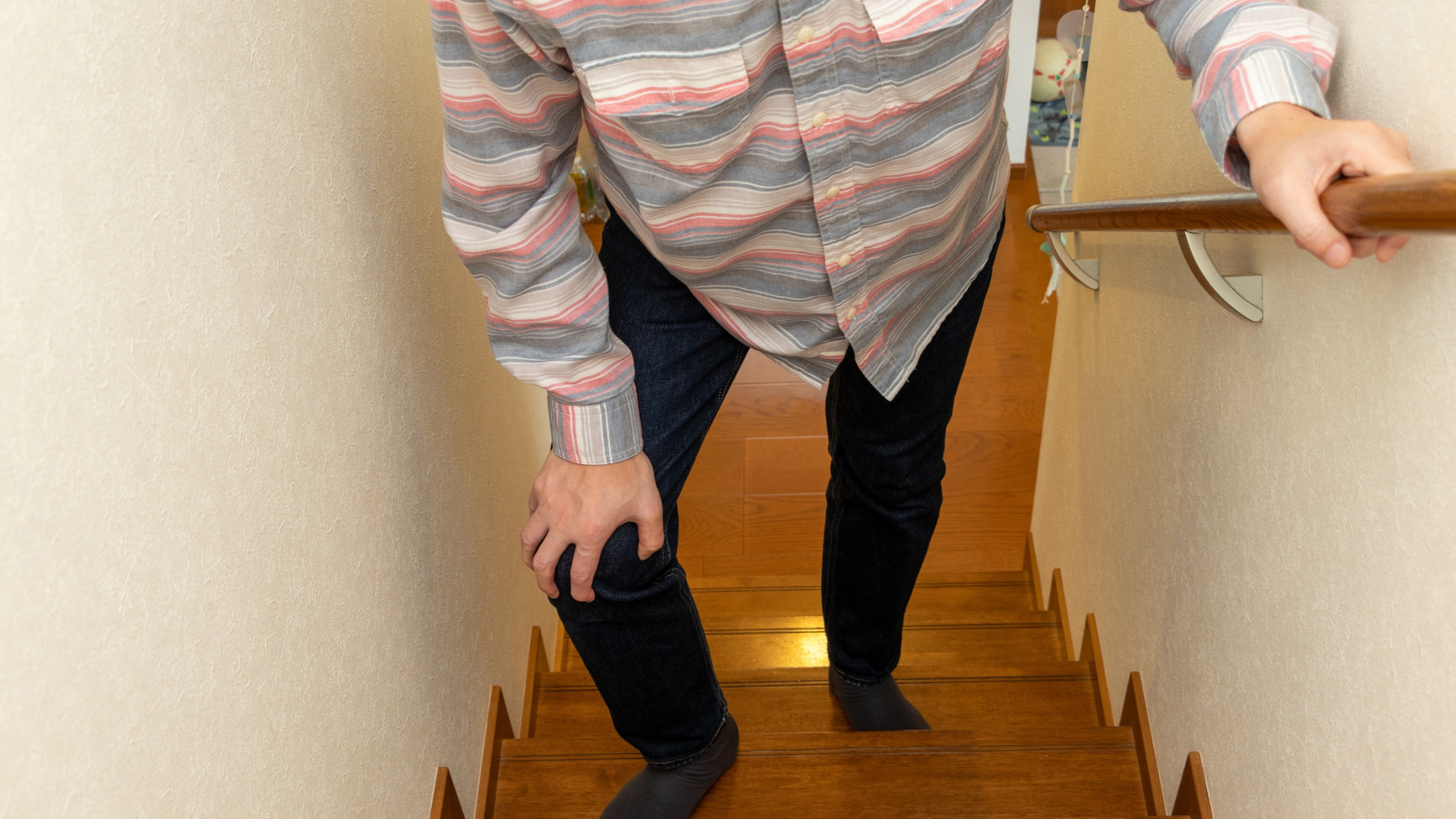
Knee pain is one of the most common musculoskeletal complaints, and many people first notice it during everyday activities—especially when climbing or descending stairs. If you’ve ever felt discomfort, stiffness, or a sharp pain in your knee while using stairs, you’re not alone. This type of pain can be a sign of several underlying issues, ranging from mild irritation to more advanced joint conditions.
Understanding why your knee hurts in these situations can help you take the right steps toward relief and prevention.
Why Stairs Trigger Knee Pain
Going up and down stairs places significantly more stress on your knees than walking on flat ground. In fact, your knee joint can experience forces up to 3–4 times your body weight when climbing stairs—and even more when descending.
This added pressure puts strain on the cartilage, ligaments, and muscles surrounding the knee. If any part of this system isn’t functioning properly, pain can occur.
Common Causes of Knee Pain on Stairs
1. Patellofemoral Pain Syndrome (Runner’s Knee)
One of the most frequent causes of stair-related knee pain is patellofemoral pain syndrome. This condition occurs when the kneecap (patella) doesn’t move smoothly over the femur.
Symptoms include:
- Dull, aching pain in the front of the knee
- Pain that worsens when going downstairs
- Discomfort after sitting for long periods
This issue is often related to muscle imbalances, overuse, or improper alignment.
2. Osteoarthritis
Osteoarthritis is a degenerative condition where the cartilage in the knee gradually wears down. Without proper cushioning, bones can rub against each other, causing pain and stiffness.
Stair-related clues:
- Pain increases with activity
- Stiffness after resting
- Grinding or clicking sensations
Descending stairs can be particularly painful because it requires controlled bending of the knee under load.
3. Meniscus Tear
The meniscus is a piece of cartilage that acts as a shock absorber in the knee. Tears can occur from injury or wear and tear over time.
Symptoms include:
- Sharp pain when twisting or bending
- Swelling or stiffness
- A feeling of the knee “catching” or locking
Stairs can aggravate a meniscus tear due to the bending and rotation involved.
4. Tendonitis
Tendonitis occurs when the tendons around the knee become inflamed, often due to overuse or repetitive motion.
Common signs:
- Pain just below the kneecap
- Tenderness to touch
- Increased pain with activity, including stairs
This is especially common in active individuals or those who suddenly increase their activity level.
5. Weak Muscles or Poor Mechanics
Sometimes the issue isn’t structural damage but rather how your body moves. Weak quadriceps, hamstrings, or hip muscles can lead to poor knee alignment and increased stress on the joint.
Contributing factors:
- Sedentary lifestyle
- Poor posture or gait
- Lack of strength or flexibility
When muscles aren’t supporting the knee properly, everyday movements like climbing stairs can become painful.
When Should You Be Concerned?
Occasional mild discomfort isn’t always a cause for alarm. However, you should consider seeing a specialist if you experience:
- Persistent or worsening pain
- Swelling that doesn’t improve
- Instability or the knee “giving out”
- Locking or inability to fully bend/straighten the knee
These symptoms may indicate a more serious condition that requires evaluation.
How to Relieve Knee Pain on Stairs
1. Strengthen Supporting Muscles
Targeted exercises for the quadriceps, hamstrings, and glutes can improve knee stability and reduce strain.
2. Improve Flexibility
Stretching tight muscles—especially the hamstrings and calves—can help restore proper movement.
3. Modify Activity
- Take stairs slowly
- Use handrails for support
- Lead with your stronger leg when going up
- Lead with the affected leg when going down
4. Use Ice and Anti-Inflammatories
Applying ice after activity can help reduce inflammation and pain.
5. Consider Non-Surgical Treatments
Depending on the cause, treatments may include:
- Physical therapy
- Bracing or orthotics
- Injection therapies (such as corticosteroids or regenerative medicine options)
Final Thoughts
Knee pain when going up or down stairs is common—but it’s not something you have to live with. Whether it’s due to overuse, muscle imbalance, or a more advanced condition like Osteoarthritis, identifying the root cause is key to finding lasting relief.
If your symptoms persist or interfere with daily activities, consulting a pain management or orthopedic specialist can help you get an accurate diagnosis and personalized treatment plan.
 First State Surgery Center
 Glasgow Surgery Center