
First State Orthopaedics is an OrthoDelaware Company


In the News
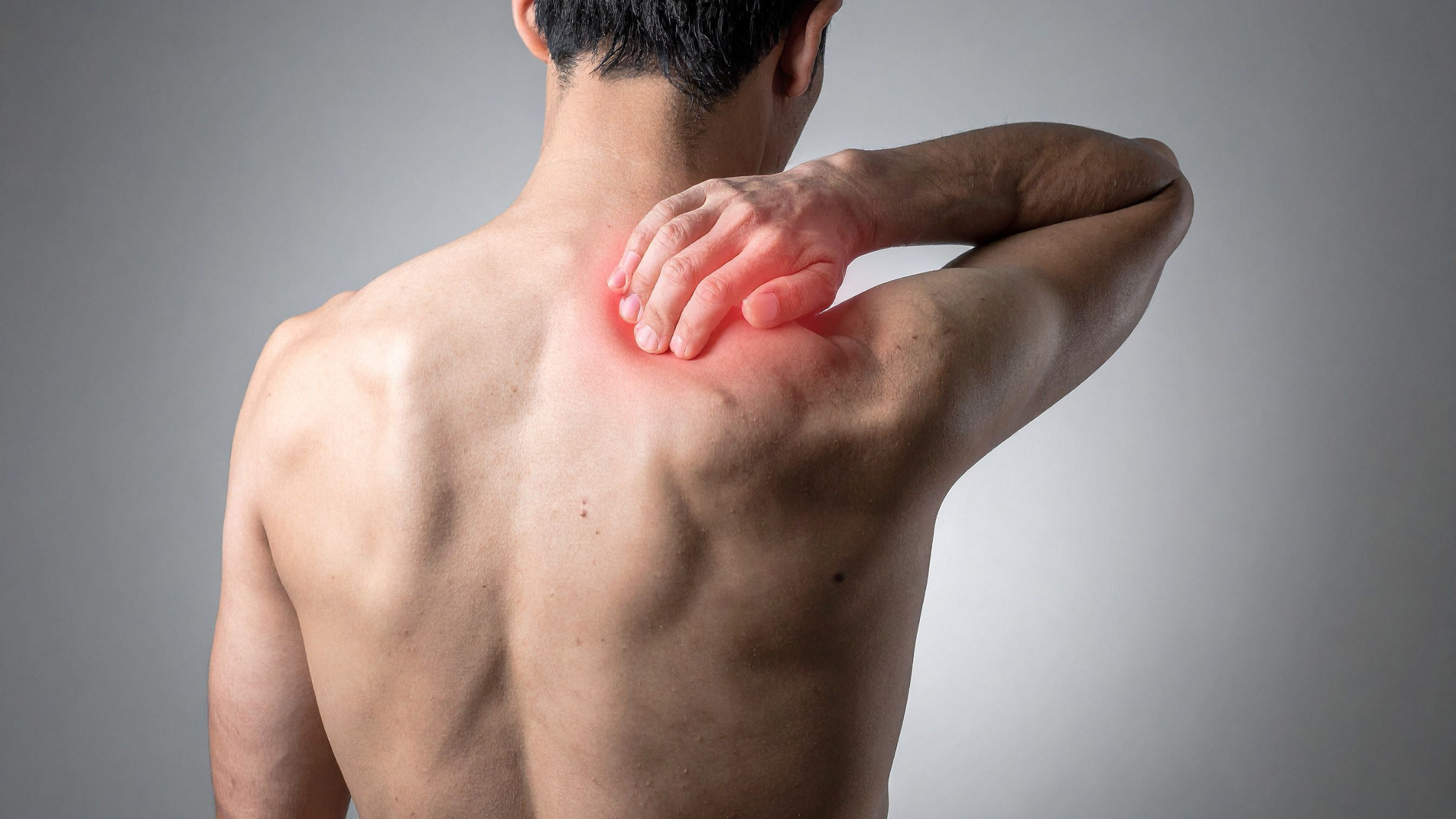
Common Causes of Shoulder Pain and How Orthopedic Specialists Treat It
Shoulder pain is one of the most common musculoskeletal complaints, affecting people of all ages and activity levels. Because the shoulder is a highly mobile joint, it is also particularly vulnerable to injury, overuse, and degenerative conditions. Understanding the underlying cause of shoulder pain is the first step toward effective treatment—and that’s where orthopedic specialists play a crucial role.
Why the Shoulder Is Prone to Pain
The shoulder is a complex joint made up of bones, muscles, tendons, and ligaments that work together to provide a wide range of motion. This flexibility allows you to lift, rotate, and reach, but it also makes the joint less stable than others in the body. As a result, even minor issues can lead to discomfort or limited mobility.
Common Causes of Shoulder Pain
1. Rotator Cuff Injuries
The rotator cuff is a group of muscles and tendons that stabilize the shoulder. Injuries can range from mild inflammation (tendinitis) to partial or complete tears. These injuries are often caused by repetitive overhead movements, aging, or acute trauma.
2. Shoulder Impingement
Impingement occurs when the tendons of the rotator cuff become compressed during shoulder movement. This can lead to pain when lifting the arm, especially overhead, and is common in athletes and individuals with repetitive motion jobs.
3. Frozen Shoulder (Adhesive Capsulitis)
Frozen shoulder causes stiffness and reduced range of motion. It often develops gradually and may be associated with prolonged immobility, diabetes, or previous injury.
4. Arthritis
Osteoarthritis in the shoulder occurs when cartilage wears down over time, leading to pain, stiffness, and decreased function. Rheumatoid arthritis can also affect the joint, causing inflammation and damage.
5. Bursitis
Bursae are small fluid-filled sacs that reduce friction in the joint. When they become inflamed, it can cause pain and swelling, especially with movement.
6. Labral Tears
The labrum is a ring of cartilage that helps stabilize the shoulder joint. Tears can occur from injury, repetitive stress, or dislocation, leading to pain, clicking, or a feeling of instability.
7. Shoulder Instability or Dislocation
When the shoulder joint becomes unstable, it can partially or fully dislocate. This is often caused by trauma or repetitive strain and may result in ongoing weakness or discomfort.
How Orthopedic Specialists Diagnose Shoulder Pain
Orthopedic specialists begin with a thorough medical history and physical examination. They assess range of motion, strength, and areas of tenderness. Imaging studies such as X-rays, MRI scans, or ultrasound may be used to confirm the diagnosis and determine the extent of the injury.
Treatment Options for Shoulder Pain
Treatment depends on the specific condition, severity, and the patient’s lifestyle. Orthopedic specialists typically start with conservative approaches before considering surgery.
1. Non-Surgical Treatments
- Rest and Activity Modification: Avoiding movements that aggravate the pain allows the shoulder to heal.
- Physical Therapy: Targeted exercises help strengthen muscles, improve flexibility, and restore function.
- Medications: Anti-inflammatory medications can reduce pain and swelling.
- Injections: Corticosteroid injections may be used to relieve inflammation and provide temporary pain relief.
- Ice and Heat Therapy: These can help manage pain and improve circulation during recovery.
2. Minimally Invasive Procedures
For certain conditions, such as rotator cuff tears or impingement, arthroscopic procedures may be recommended. These involve small incisions and specialized instruments, leading to quicker recovery times compared to traditional surgery.
3. Surgical Treatments
When conservative treatments fail, surgery may be necessary. Common procedures include:
- Rotator cuff repair
- Shoulder stabilization surgery
- Labral repair
- Shoulder replacement for advanced arthritis
Orthopedic surgeons tailor the procedure to the patient’s specific condition and functional goals.
Recovery and Rehabilitation
Recovery time varies depending on the condition and treatment approach. Physical therapy is often a key component of rehabilitation, helping patients regain strength, flexibility, and range of motion. Following the prescribed rehab plan is essential for optimal outcomes.
When to See an Orthopedic Specialist
You should seek medical evaluation if you experience:
- Persistent shoulder pain lasting more than a few weeks
- Difficulty lifting or moving your arm
- Weakness or instability in the shoulder
- Pain that interferes with sleep or daily activities
- Sudden injury with severe pain or deformity
Early diagnosis and treatment can prevent further damage and improve long-term outcomes.
Final Thoughts
Shoulder pain can significantly impact your quality of life, but effective treatment options are available. Orthopedic specialists are trained to identify the root cause of your pain and develop a personalized treatment plan to help you return to your normal activities safely and efficiently. Whether through conservative care or advanced surgical techniques, the goal is always the same: restore function, reduce pain, and improve overall quality of life.
 First State Surgery Center
 Glasgow Surgery Center