
First State Orthopaedics is an OrthoDelaware Company


In the News
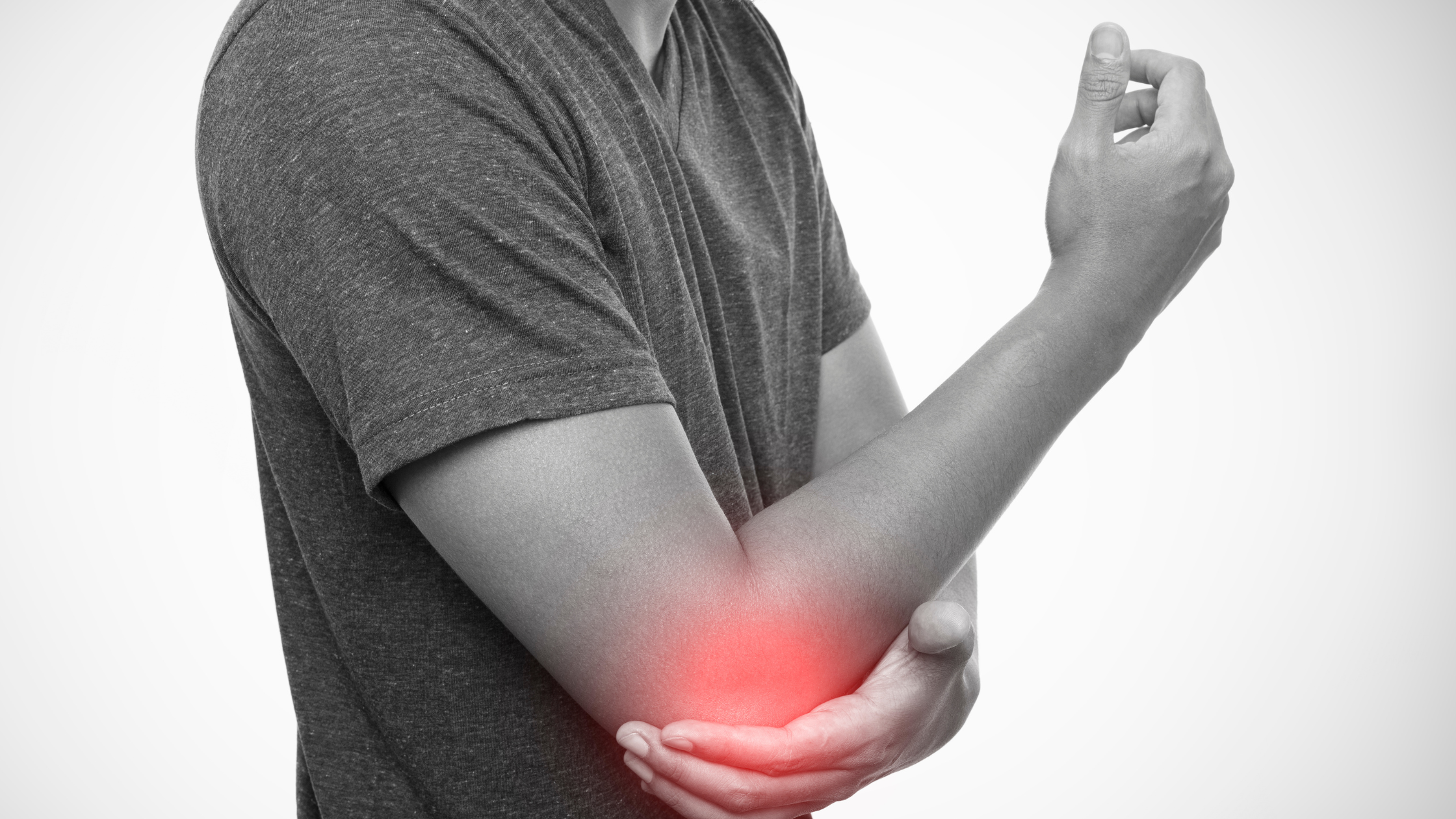
Tennis Elbow vs. Golfer's Elbow: What's the Difference?
Tennis elbow and golfer's elbow are two common causes of elbow pain. Despite their names, neither condition is limited to athletes. Tennis elbow can affect anyone who repeatedly uses the wrist and forearm, while golfer's elbow can develop from activities involving repetitive gripping, lifting, or wrist movement.
The conditions have similar symptoms, but they involve different tendons and typically cause pain on opposite sides of the elbow. Understanding the difference can help patients recognize potential causes of elbow pain and know when an evaluation may be appropriate.
What Is Tennis Elbow?
Tennis elbow, medically known as lateral epicondylitis, is an overuse injury involving the tendons that attach the forearm muscles to the outside of the elbow. These muscles help extend the wrist and fingers.
Despite its name, tennis elbow does not require playing tennis. Repetitive activities such as typing, using hand tools, painting, gardening, lifting weights, or playing racquet sports can place repeated stress on these tendons.
Tennis elbow typically causes pain or tenderness on the outside of the elbow. The discomfort may extend into the forearm and can become more noticeable when gripping objects, shaking hands, lifting, or extending the wrist.
What Is Golfer's Elbow?
Golfer's elbow, medically known as medial epicondylitis, involves the tendons that attach the forearm muscles to the inside of the elbow. These muscles help bend the wrist and fingers and assist with gripping.
Like tennis elbow, golfer's elbow is not limited to people who play the sport. Repetitive gripping, throwing, weightlifting, construction work, and other activities that repeatedly stress the forearm can contribute to the condition.
Golfer's elbow typically causes pain or tenderness on the inside of the elbow. Pain may travel down the inner forearm and become worse with gripping, wrist flexion, or certain lifting movements.
What Is the Main Difference Between Tennis Elbow and Golfer's Elbow?
The primary difference between tennis elbow and golfer's elbow is where the pain occurs and which tendons are affected.
Tennis elbow affects the tendons on the outside, or lateral side, of the elbow. Golfer's elbow affects the tendons on the inside, or medial side, of the elbow.
Although both conditions are commonly associated with repetitive use, the specific muscles and movements involved are different.
| Condition | Medical Name | Location of Pain | Commonly Involved Movement |
|---|---|---|---|
| Tennis elbow | Lateral epicondylitis | Outside of elbow | Wrist extension and gripping |
| Golfer's elbow | Medial epicondylitis | Inside of elbow | Wrist flexion and gripping |
What Causes Tennis Elbow and Golfer's Elbow?
Both tennis elbow and golfer's elbow generally develop when repetitive stress exceeds the tendon's ability to recover. Repeated loading can cause microscopic changes within the tendon and contribute to pain and reduced function.
Tennis elbow may develop from repetitive wrist extension, gripping, or forearm rotation. Activities such as tennis, pickleball, racquet sports, computer work, manual labor, and certain weightlifting exercises can contribute.
Golfer's elbow may develop from repetitive wrist flexion and gripping. Golf, baseball, throwing activities, weightlifting, construction, and other jobs or hobbies involving repetitive hand and forearm movements can increase stress on the affected tendons.
In some cases, a sudden increase in activity, changes in technique, or inadequate recovery between activities can contribute to symptoms.
What Symptoms Should Patients Watch For?
Tennis elbow commonly produces pain or tenderness over the bony prominence on the outside of the elbow. Patients may notice discomfort when gripping, lifting a cup, opening a jar, shaking hands, or extending the wrist.
Golfer's elbow commonly produces pain or tenderness over the bony prominence on the inside of the elbow. Symptoms may become more noticeable when gripping, lifting, bending the wrist, or performing repetitive forearm movements.
Both conditions can cause:
Elbow tenderness
Forearm pain
Pain with gripping
Reduced grip strength
Discomfort during repetitive activities
Symptoms that worsen with continued use
Persistent or worsening symptoms should not automatically be attributed to tennis elbow or golfer's elbow because other elbow conditions can cause similar pain.
How Are Tennis Elbow and Golfer's Elbow Diagnosed?
Diagnosis of tennis elbow or golfer's elbow generally begins with a medical history and physical examination. A clinician may ask about work, sports, exercise, hobbies, recent changes in activity, and specific movements that trigger symptoms.
During the examination, the clinician may assess elbow tenderness, range of motion, grip strength, and pain during specific wrist or forearm movements.
Imaging is not always necessary, but X-rays, ultrasound, or MRI may sometimes be used when the diagnosis is uncertain, symptoms are persistent, or another condition needs to be ruled out.
How Are Tennis Elbow and Golfer's Elbow Treated?
Treatment depends on the severity and duration of symptoms. Initial treatment often focuses on reducing activities that aggravate the tendon while maintaining appropriate movement.
Physical therapy may be recommended to improve forearm strength, flexibility, movement patterns, and the tendon's ability to tolerate load. Gradually progressing strengthening exercises can be an important part of recovery.
Other treatment approaches may be considered depending on the individual diagnosis, including bracing, activity modification, and interventional treatments. A clinician can help determine which options are appropriate based on the affected tendon and the patient's symptoms.
Can Tennis Elbow and Golfer's Elbow Be Prevented?
Tennis elbow and golfer's elbow cannot always be prevented, but several strategies may reduce repetitive stress on the elbow.
Proper technique during sports and exercise can help distribute forces more effectively. Increasing activity gradually rather than making sudden changes may also give the muscles and tendons more time to adapt.
Regular forearm strengthening, adequate recovery between repetitive activities, and ergonomic adjustments at work can also be useful. Athletes may benefit from reviewing equipment, grip size, swing mechanics, or training volume when symptoms repeatedly occur.
When Should You See a Doctor for Elbow Pain?
Elbow pain that persists despite reducing aggravating activities deserves medical evaluation, particularly when symptoms interfere with work, exercise, sleep, or everyday activities.
An evaluation is also important when pain is severe, follows an injury, causes significant weakness, produces numbness or tingling, or continues to worsen.
Because tennis elbow and golfer's elbow can resemble other conditions, identifying the actual source of pain is an important first step toward appropriate treatment.
Is One Condition Worse Than the Other?
Neither tennis elbow nor golfer's elbow is inherently worse. Both can range from mild irritation to persistent pain that significantly affects daily activities.
The severity depends on factors such as the extent of tendon involvement, duration of symptoms, activity level, and whether the underlying cause continues to place stress on the tendon.
The key difference is anatomical: tennis elbow affects the outside of the elbow, while golfer's elbow affects the inside. Recognizing that distinction can help patients better understand their symptoms and seek an appropriate evaluation.
The Bottom Line
Tennis elbow and golfer's elbow are both overuse-related tendon conditions, but they affect opposite sides of the elbow. Tennis elbow causes pain on the outside of the elbow and involves the wrist extensor tendons, while golfer's elbow causes pain on the inside and involves the wrist flexor tendons.
Both conditions can affect athletes and non-athletes alike. When elbow pain persists, an accurate diagnosis can help determine whether activity modification, physical therapy, or another treatment approach may be appropriate.
This article is intended for educational purposes only and is not a substitute for professional medical diagnosis or treatment.
 First State Surgery Center
 Glasgow Surgery Center