
First State Orthopaedics is an OrthoDelaware Company


In the News
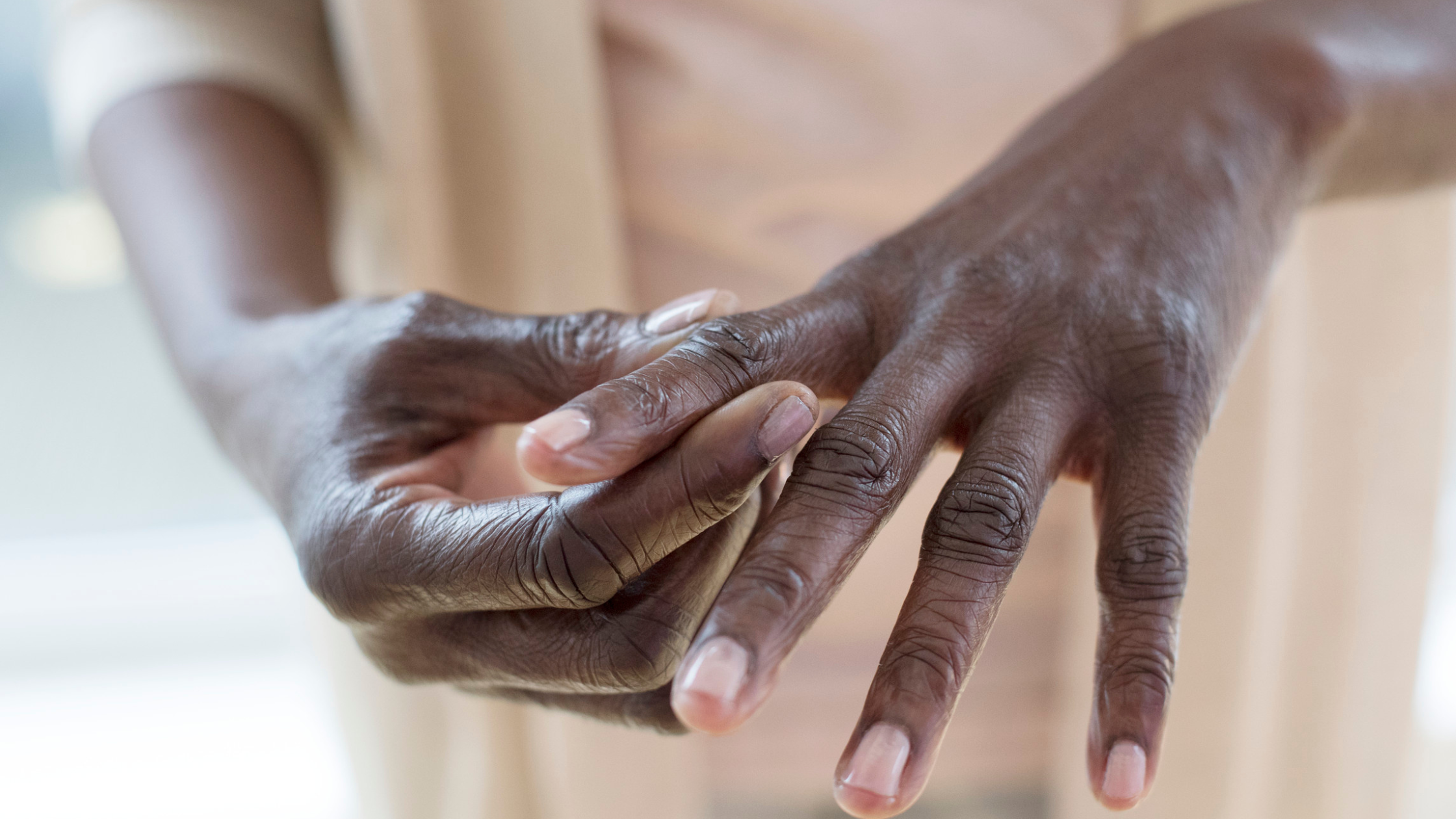
Dupuytren's Contracture: Why Your Fingers May Be Curling Over Time
If you've noticed one or more of your fingers gradually bending toward your palm and becoming difficult to straighten, you may be experiencing Dupuytren's contracture. This condition develops slowly over months or years and often begins without pain, making it easy to overlook until everyday tasks become more challenging.
Although Dupuytren's contracture is not typically dangerous, it can significantly affect hand function and quality of life. Understanding why it develops and recognizing early symptoms can help patients seek treatment before the condition becomes more severe.
What Is Dupuytren's Contracture?
Dupuytren's contracture is a progressive condition that affects the fascia, the layer of connective tissue just beneath the skin of the palm. In people with Dupuytren's contracture, this tissue gradually thickens and tightens, forming firm cords that pull one or more fingers toward the palm.
The condition most commonly affects the:
- Ring finger
- Little finger
- Occasionally the middle finger
Unlike arthritis, Dupuytren's contracture does not directly affect the joints or tendons. Instead, it changes the connective tissue underneath the skin, leading to reduced finger mobility over time.
Why Do Fingers Curl Over Time?
The reason fingers curl over time is because abnormal collagen builds up within the palmar fascia. As this tissue thickens, it shortens and forms tight bands that gradually pull the affected fingers into a bent position.
This process usually happens very slowly. Many people first notice:
- A small lump or nodule in the palm
- Thickened skin
- A cord developing beneath the skin
- Increasing difficulty laying the hand flat
- Fingers becoming harder to straighten
Since the progression is gradual, many individuals adapt without realizing how much hand function they have lost until routine activities become difficult.
What Causes Dupuytren's Contracture?
The exact cause remains unknown, but several risk factors increase the likelihood of developing Dupuytren's contracture.
These include:
- Family history
- Northern European ancestry
- Age over 50
- Male sex
- Diabetes
- Smoking
- Excessive alcohol use
Researchers believe genetics play a major role. In many cases, multiple family members are affected.
Importantly, Dupuytren's contracture is not caused by repetitive hand use or manual labor, although symptoms may become more noticeable during activities requiring grip strength.
What Are the Early Symptoms?
Early symptoms are often subtle and painless.
Signs may include:
- A painless lump in the palm
- Thickened skin
- Small pits or dimples in the palm
- Tight cords beneath the skin
- Difficulty placing the hand flat on a table
As the disease progresses, patients may notice:
- Fingers permanently bent
- Difficulty shaking hands
- Trouble putting on gloves
- Difficulty washing the face
- Problems gripping large objects
- Challenges placing hands into pockets
Pain is uncommon, although some people experience tenderness during the early stages.
Is Dupuytren's Contracture the Same as Trigger Finger?
No. Although both conditions affect finger movement, they involve different structures.
Trigger finger affects the tendons, causing a finger to lock or catch when bending or straightening.
Dupuytren's contracture affects the connective tissue beneath the skin, gradually pulling the finger into a fixed bent position.
Because treatments differ, obtaining an accurate diagnosis is important.
How Is Dupuytren's Contracture Diagnosed?
Diagnosis is usually straightforward and performed during a physical examination.
A healthcare provider will evaluate:
- Finger motion
- Degree of contracture
- Presence of cords
- Palm nodules
- Ability to lay the hand flat (often called the "tabletop test")
Imaging studies are generally unnecessary unless another hand condition is suspected.
When Should You Seek Treatment?
Many mild cases require only observation.
However, treatment may be recommended if:
- Fingers interfere with daily activities
- The hand cannot lie flat
- Contracture continues progressing
- Grip function becomes limited
Early evaluation allows providers to monitor progression and discuss treatment before permanent stiffness develops.
What Treatment Options Are Available?
Treatment depends on the severity of the contracture and how much it limits function.
Observation
If symptoms are mild and finger motion remains good, regular monitoring may be all that is needed.
Needle Aponeurotomy
This minimally invasive procedure uses a needle to divide the tight cords beneath the skin, allowing improved finger extension.
Benefits include:
- Minimal recovery time
- Performed in the office
- Small puncture sites
- Quick return to normal activities
However, recurrence is possible.
Collagenase Injection
An enzyme injection can weaken the abnormal cord. After the medication works, the provider gently stretches the finger to break the cord.
Advantages include:
- No large incision
- Office-based procedure
- Faster recovery than surgery
Not every patient is a candidate.
Surgical Fasciectomy
For more advanced cases, surgery removes the thickened fascia.
Surgery generally offers:
- Greater correction
- Better treatment for severe contractures
- Longer-lasting improvement
Recovery typically includes hand therapy to restore motion and strength.
Can Hand Therapy Help?
Hand therapy often plays an important role after procedures.
A certified hand therapist may recommend:
- Range-of-motion exercises
- Stretching
- Scar management
- Splinting
- Strengthening exercises
Therapy helps maximize function while supporting recovery.
Can Dupuytren's Contracture Be Prevented?
Currently, there is no proven way to prevent Dupuytren's contracture.
However, maintaining overall health may reduce risk factors associated with disease progression, including:
- Managing diabetes
- Avoiding tobacco use
- Limiting alcohol consumption
Because genetics are a major factor, prevention is not always possible.
What Happens If It Is Left Untreated?
Some cases remain mild for years, while others gradually worsen.
Advanced contractures can make it difficult to:
- Grip objects
- Wash hands
- Wear gloves
- Shake hands
- Use tools
- Perform work-related tasks
Although untreated Dupuytren's contracture usually does not threaten overall health, it can significantly reduce independence and hand function.
Frequently Asked Questions About Dupuytren's Contracture
Is Dupuytren's contracture painful?
Most people experience little or no pain. The primary issue is gradually worsening finger stiffness and loss of motion.
Does Dupuytren's contracture always require surgery?
No. Many patients benefit from observation or minimally invasive procedures depending on the severity of the condition.
Can Dupuytren's contracture come back after treatment?
Yes. Recurrence is possible regardless of treatment type because the underlying disease process may continue.
Which fingers are usually affected?
The ring finger and little finger are most commonly involved.
Is Dupuytren's contracture arthritis?
No. Dupuytren's contracture affects connective tissue beneath the skin rather than the joints themselves.
Don't Ignore Fingers That Are Slowly Curling
A finger that gradually curls toward the palm may seem like a minor inconvenience at first, but Dupuytren's contracture is a progressive condition that can eventually interfere with many everyday activities. Early recognition allows patients to explore treatment options before severe contractures develop.
If you notice thickening in your palm, difficulty straightening your fingers, or increasing hand stiffness, an evaluation by a hand or orthopedic specialist can determine whether Dupuytren's contracture is the cause and help identify the most appropriate treatment plan.
 First State Surgery Center
 Glasgow Surgery Center