First State Orthopaedics is an OrthoDelaware Company


In the News
Bone Health After 50: How to Prevent Osteoporosis-Related Fractures
What happens to bone health after age 50?
Bone health after age 50 becomes increasingly important because bone density naturally declines with age. Bones are living tissue that continuously break down and rebuild, but this process can become less balanced over time. When bone loss outpaces new bone formation, bones can become thinner and weaker.
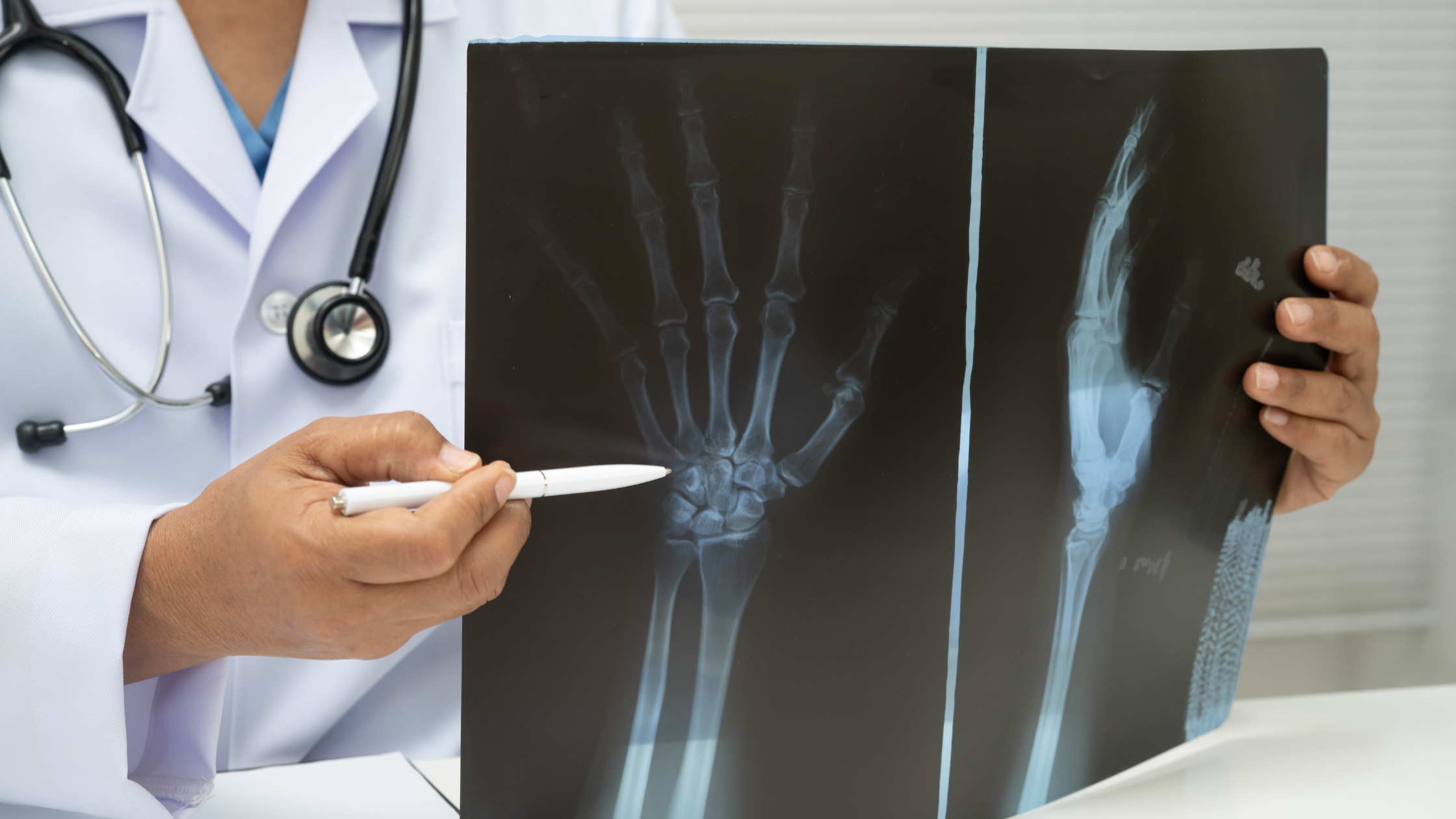
For many people, this gradual loss causes no noticeable symptoms until a fracture occurs. Osteoporosis is often called a “silent” condition because weakened bones may not cause pain until they break. The hips, spine and wrists are among the areas most commonly affected by osteoporosis-related fractures.
What is osteoporosis, and why does it increase fracture risk?
Osteoporosis is a bone disease that reduces bone strength and increases the likelihood of fractures. Although anyone can develop osteoporosis, the risk increases with age, particularly after 50.
Osteoporosis can cause bones to become porous and less able to withstand everyday stresses. A fall that might cause only a bruise in a person with healthy bones can result in a serious fracture in someone with significant bone loss. Vertebral compression fractures can also occur from relatively minor movements or injuries.
Who is at greater risk of osteoporosis after 50?
People over 50 can have different levels of osteoporosis risk depending on age, sex, family history, lifestyle and other factors. Women experience accelerated bone loss around and after menopause because declining estrogen levels can affect bone remodeling. Men can also develop osteoporosis, particularly as they age or when other risk factors are present.
Additional risk factors include a family history of osteoporosis or hip fracture, low body weight, smoking, heavy alcohol consumption, physical inactivity and certain medical conditions. Long-term use of medications such as corticosteroids can also contribute to bone loss.
How can calcium and vitamin D support bone health after 50?
Calcium and vitamin D are important nutrients for maintaining healthy bones. Calcium provides a key structural component of bone, while vitamin D helps the body absorb calcium and supports normal bone metabolism.
Adults should discuss their individual nutritional needs with a healthcare professional because recommended intake can vary based on age, sex and other circumstances. Calcium can come from foods such as dairy products, fortified plant beverages, leafy greens and certain fish. Vitamin D is found in foods including fatty fish, egg yolks and fortified products, while supplements may be appropriate for some individuals.
What types of exercise help prevent osteoporosis-related fractures?
Weight-bearing and resistance exercises can help maintain or improve bone strength and support the muscles needed for stability. Walking, stair climbing, dancing and other weight-bearing activities place healthy stress on bones. Strength training can help maintain muscle mass and strength, which may also support balance and reduce fall risk.
Balance-focused activities can be particularly valuable after 50. Exercises such as tai chi and appropriately supervised balance training may help improve stability. Anyone with osteoporosis, a previous fracture or significant mobility limitations should discuss an exercise program with a healthcare professional before beginning a new routine.
Why is fall prevention important for people with weaker bones?
Fall prevention is an important part of fracture prevention because weakened bones are more vulnerable to injury. Reducing fall hazards at home can include improving lighting, removing loose rugs and clutter, installing handrails where needed and keeping frequently used items within easy reach.
Vision and hearing problems should also be addressed because they can affect balance and awareness of obstacles. Reviewing medications with a healthcare professional may also be useful when dizziness or drowsiness could contribute to falls.
When should adults over 50 have a bone density test?
A bone density test, commonly called a DXA or DEXA scan, can measure bone mineral density and help identify osteoporosis or low bone density before a fracture occurs. Screening recommendations vary according to age, sex and individual risk factors.
Women 65 and older are generally recommended to undergo osteoporosis screening, while postmenopausal women younger than 65 may need screening if they have increased risk. Men and younger adults with significant risk factors may also benefit from evaluation. A healthcare professional can determine when testing is appropriate based on an individual's overall fracture risk.
Can osteoporosis be treated if bone loss has already occurred?
Osteoporosis can be managed even after low bone density has been identified. Treatment may include lifestyle measures such as adequate calcium and vitamin D intake, regular weight-bearing and resistance exercise, fall prevention and avoiding tobacco.
For people at higher risk of fracture, prescription medications may also be recommended. Several medication classes are available, including drugs that slow bone breakdown and medications that help stimulate bone formation. The appropriate treatment depends on factors such as bone density, fracture history, age, other health conditions and overall fracture risk.
Can a fracture be a warning sign of osteoporosis?
Yes. A fracture resulting from a relatively minor fall or injury can sometimes be an early indication of osteoporosis. A hip, spine or wrist fracture after age 50 should not necessarily be viewed as an isolated injury. It may warrant an evaluation of bone health and future fracture risk.
Vertebral compression fractures can be particularly important because they may initially be mistaken for ordinary back pain. Repeated spinal fractures can contribute to height loss, changes in posture and chronic discomfort.
What are the most important steps for protecting bone health after 50?
Protecting bone health after 50 involves more than taking a single supplement or performing one type of exercise. The most effective approach is generally comprehensive: maintain adequate calcium and vitamin D intake, participate in regular weight-bearing and resistance exercise, maintain healthy muscle strength and balance, avoid smoking, limit excessive alcohol consumption and address fall hazards.
Regular medical care is also important. Appropriate bone density screening can identify osteoporosis before a major fracture occurs, while early treatment can help reduce future fracture risk. For adults over 50, maintaining strong bones is an important part of preserving mobility, independence and quality of life as they age.
 First State Surgery Center
 Glasgow Surgery Center