
First State Orthopaedics is an OrthoDelaware Company


In the News
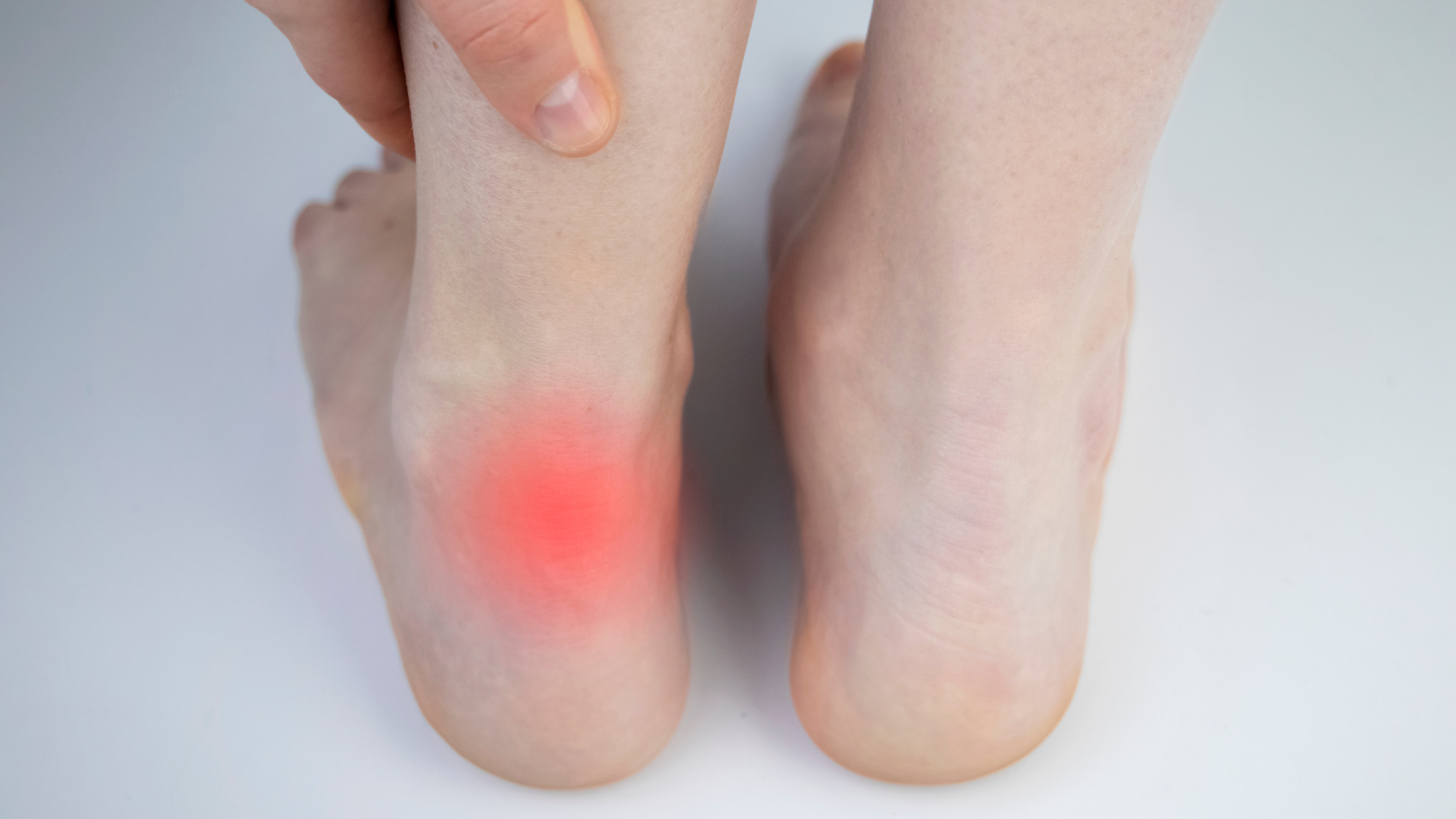
Achilles Tendon Injuries: Symptoms, Treatment, and Recovery
The Achilles tendon plays an essential role in walking, running, jumping, and other everyday movements. As the largest and strongest tendon in the body, it connects the calf muscles to the heel bone and helps generate the force needed to push off the ground. Despite its strength, the Achilles tendon is vulnerable to overuse, inflammation, and sudden injuries that can interfere with mobility and physical activity.
Achilles tendon injuries range from mild irritation and tendinopathy to partial tears and complete ruptures. Recognizing the symptoms and understanding available treatment options can help patients seek appropriate care and avoid further damage.
What Is an Achilles Tendon Injury?
An Achilles tendon injury occurs when the tendon connecting the calf muscles to the heel becomes irritated, damaged, or torn. Because the tendon absorbs significant force during movement, repetitive stress or a sudden increase in physical activity can cause tissue damage.
Common Achilles tendon conditions include:
Achilles tendinitis: Inflammation or irritation of the tendon, often associated with repetitive activity.
Achilles tendinopathy: A broader condition involving changes in the tendon structure, often resulting from chronic overuse and degeneration.
Partial Achilles tendon tear: A portion of the tendon fibers becomes damaged or separated.
Achilles tendon rupture: The tendon completely tears, disrupting the connection between the calf muscles and heel bone.
Although these conditions can produce similar symptoms, their severity and treatment requirements differ.
What Are the Most Common Symptoms of an Achilles Tendon Injury?
Achilles tendon injury symptoms vary depending on the type and extent of damage. Some patients experience gradual discomfort that worsens with activity, while others develop sudden, severe pain following an injury.
Common symptoms include:
Pain or tenderness along the back of the ankle or above the heel
Stiffness in the Achilles tendon, particularly in the morning
Swelling around the tendon
Discomfort when walking, running, or climbing stairs
Weakness when pushing off the foot
Difficulty standing on the toes
A noticeable thickening or enlargement of the tendon
A complete Achilles tendon rupture may cause a sudden popping or snapping sensation, sometimes described as feeling like someone kicked the back of the leg. Patients may experience immediate difficulty walking or pushing off the affected foot.
Sudden severe pain, a popping sensation, or an inability to stand on the toes warrants prompt medical evaluation.
What Causes Achilles Tendon Injuries?
Achilles tendon injuries commonly develop when the tendon experiences more repetitive stress than it can tolerate. Running, jumping, and other high-impact activities place considerable demands on the tendon, particularly when activity levels increase too quickly.
Several factors can contribute to an Achilles tendon injury:
Overuse: Repetitive running, jumping, or other high-impact movements can gradually damage tendon tissue.
Sudden activity changes: Increasing exercise intensity, distance, or frequency too quickly can overload the tendon.
Tight calf muscles: Limited flexibility can increase tension on the Achilles tendon.
Inadequate conditioning: Weakness in the calf muscles and surrounding lower-extremity muscles can affect movement mechanics.
Improper footwear: Shoes that do not provide appropriate support may contribute to increased tendon stress.
Age-related changes: Tendon flexibility and tissue quality can change with age, potentially increasing susceptibility to injury.
Achilles tendon injuries can affect athletes and active individuals, but they also occur in people who do not participate in organized sports.
How Are Achilles Tendon Injuries Diagnosed?
Diagnosing an Achilles tendon injury typically begins with a physical examination and review of the patient's symptoms, activity level, and injury history.
A healthcare provider may examine the affected area for tenderness, swelling, thickening, or gaps in the tendon. The examination may also include assessments of ankle movement, calf strength, and the ability to push off the foot.
For suspected ruptures, the Thompson test may be performed. During this examination, the provider squeezes the calf muscle to determine whether the foot moves downward as expected. An abnormal response can indicate an Achilles tendon rupture.
Imaging may be recommended to evaluate the extent of the injury. Ultrasound can help identify tendon inflammation, degeneration, or tears. MRI provides more detailed images of the tendon and surrounding soft tissues and may be used when the diagnosis or severity of the injury is unclear.
Accurate diagnosis is important because treatment depends on whether the tendon is irritated, partially torn, or completely ruptured.
What Are the Treatment Options for Achilles Tendon Injuries?
Achilles tendon injury treatment depends on the severity of the damage, the patient's activity level, overall health, and recovery goals. Many overuse injuries can improve with conservative care, while significant tears may require additional intervention.
Conservative Treatment
For mild to moderate Achilles tendon injuries, initial treatment may include temporarily modifying activities that aggravate the tendon, applying ice to reduce discomfort, and using supportive footwear or heel lifts when appropriate.
Physical therapy is often an important part of recovery. A structured rehabilitation program may incorporate calf stretching, progressive strengthening, balance exercises, and eccentric loading exercises designed to improve tendon capacity.
Immobilization
Patients with more significant injuries may require a walking boot or other immobilization device to limit tendon movement and allow healing. The duration of immobilization depends on the injury and the treating provider's recommendations.
Surgical Treatment
A complete Achilles tendon rupture may require surgical repair, although some ruptures can be treated without surgery using carefully supervised functional rehabilitation. The decision depends on factors such as the location and extent of the tear, patient health, activity demands, and treatment preferences.
Surgery typically involves reconnecting the torn tendon ends. Rehabilitation afterward is essential for restoring strength, mobility, and function.
How Long Does Recovery From an Achilles Tendon Injury Take?
Achilles tendon recovery time depends on the severity of the injury and the treatment approach.
Mild tendon irritation may improve over several weeks with appropriate activity modification and rehabilitation. More persistent tendinopathy can require several months of progressive treatment.
Recovery from a partial tear may take several months, depending on the amount of tendon damage. Complete Achilles tendon ruptures generally require a longer rehabilitation process, often lasting six to twelve months or longer before patients return to demanding physical activities.
Returning to exercise too quickly can increase the risk of reinjury. Patients should follow a gradual return-to-activity plan based on pain levels, strength, mobility, and functional progress rather than relying on a specific timeline alone.
Can Achilles Tendon Injuries Be Prevented?
Although not every Achilles tendon injury can be prevented, certain habits can help reduce unnecessary stress on the tendon.
Preventive strategies include:
Increasing exercise intensity and duration gradually.
Warming up before running or other high-impact activities.
Maintaining calf strength and flexibility.
Wearing supportive footwear appropriate for physical activity.
Allowing sufficient recovery time between demanding workouts.
Addressing persistent heel or calf discomfort before it worsens.
Consistent conditioning and appropriate training progression can help improve the tendon's ability to tolerate physical demands.
When Should Someone Seek Treatment for Achilles Tendon Pain?
Persistent Achilles tendon pain should not be ignored, particularly when it interferes with walking, exercise, or everyday activities. Early evaluation can help identify the source of discomfort and determine whether the problem involves inflammation, degeneration, or structural damage.
Sudden severe pain, a popping sensation, significant swelling, or difficulty pushing off the affected foot may indicate a tendon tear or rupture and requires prompt medical assessment.
Achilles tendon injuries do not all require the same treatment. A personalized evaluation can help determine the most appropriate approach to reducing pain, supporting tissue healing, and restoring mobility. With an accurate diagnosis and a structured recovery plan, many patients can return to their usual activities while reducing the risk of future injury.
 First State Surgery Center
 Glasgow Surgery Center